
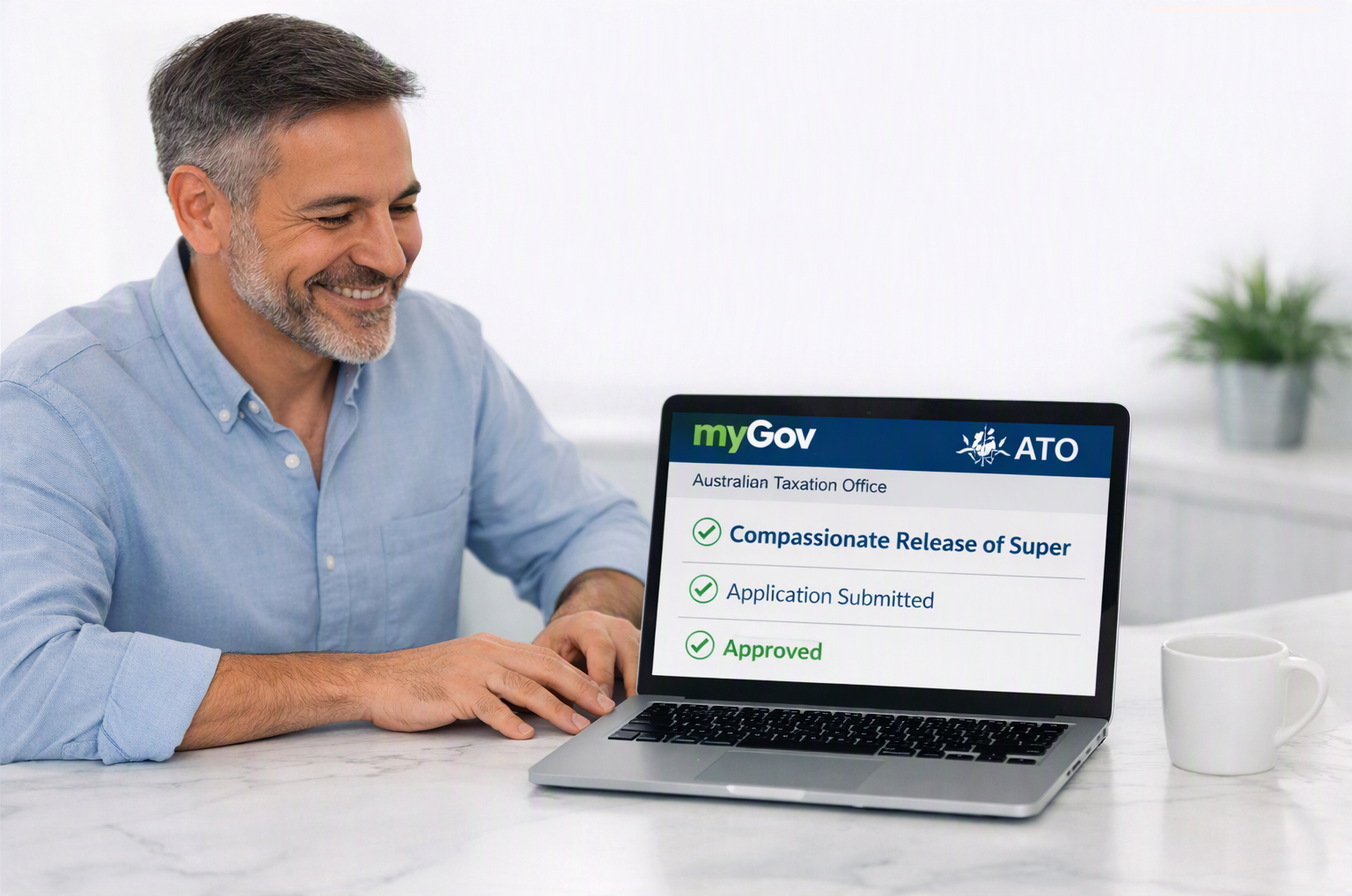
Using Your Superannuation for Dental Treatment
Compassionate Release of Super
At Watervale Dental, we understand that essential dental treatment can sometimes be difficult to afford upfront. In certain circumstances, you may be able to access your superannuation (super) to help pay for medically necessary dental care through the ATO’s Compassionate Release of Superannuation (CRS) program.
We do not encourage patients to use their super. However, for individuals who have no other practical options, this pathway may help them receive treatment that improves comfort, confidence, nutrition, sleep, and overall wellbeing. Good dental health supports better general health and may positively influence long‑term quality of life and longevity.
Our role is simply to provide clinical documentation if you choose to explore this option.
How Does It Work?

1
Book Your Consult & Checkup
2
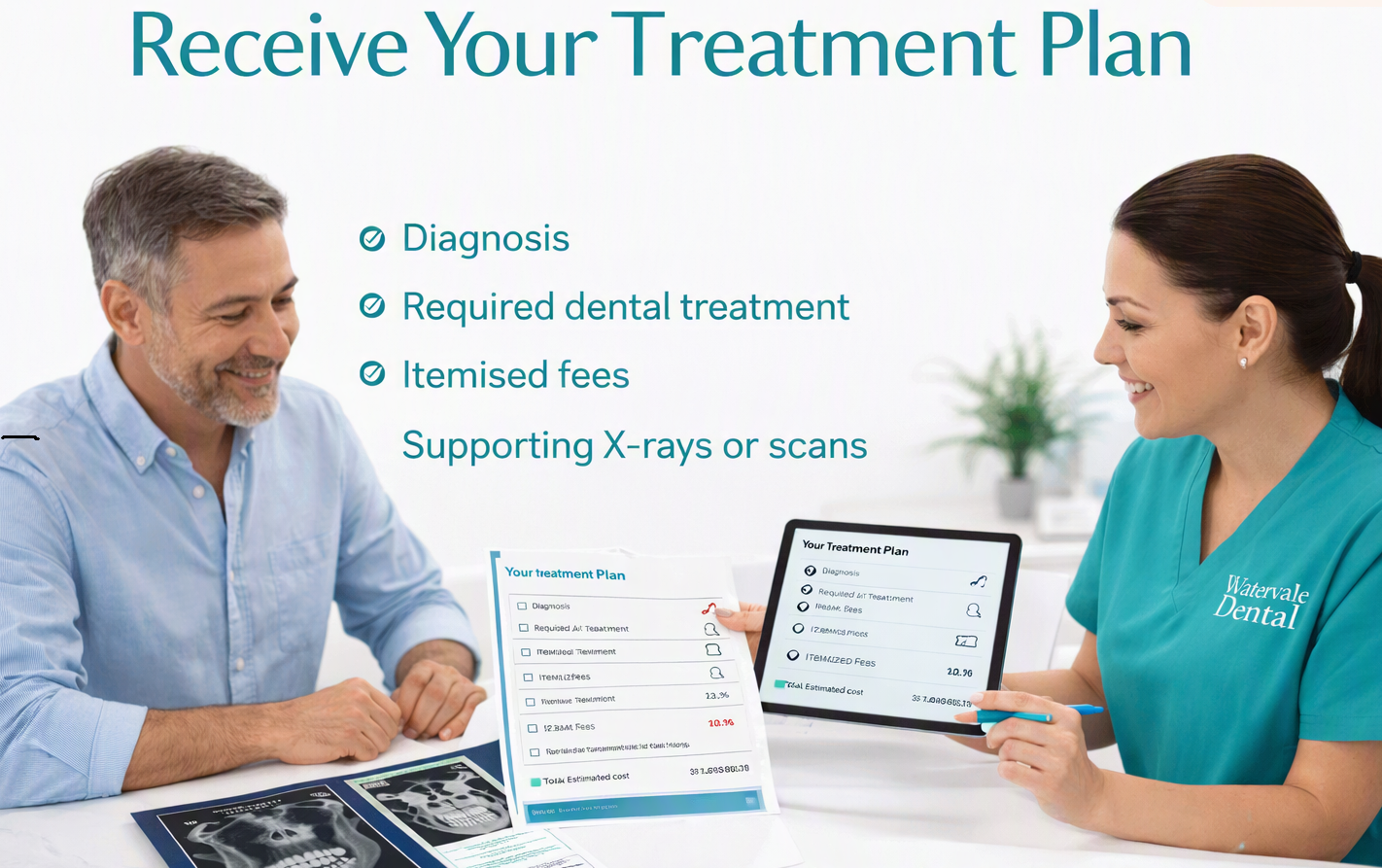
Receive Your Treatment Plan
3
Submit Your Application & Receive Approval from ATO

4
Begin Your Treatment
Disclaimer: This information is provided as a general guide only. It is not financial advice, and requirements for compassionate release of superannuation may change. Patients are responsible for confirming the current ATO criteria, understanding the financial implications, and deciding whether accessing super is appropriate for their personal circumstances.
Compassionate Release of Super
Eligibility Criteria
You may be eligible to apply for early release of super if your dental treatment is required to:
- Alleviate acute or chronic dental pain
- Treat a serious dental condition affecting your ability to eat, speak, or function
- Improve mental wellbeing where dental issues contribute
- Address conditions not readily treated in the public system
The ATO also requires evidence that you cannot reasonably pay for treatment through savings, insurance, or payment plans.
Approval is not guaranteed and is assessed independently by the ATO.
What Dental Services May Be Covered
The ATO may consider releasing super for medically necessary treatments such as:
- Dental implants
- Full‑arch implant rehabilitation (All‑on‑4 style treatments)
- Major restorative dentistry (root canal, crowns, bridges, complex reconstruction)
- Treatment of severe gum disease (periodontal therapy)
- Functional bite rehabilitation
- Treatment for chronic dental pain
- Treatment under General Anaesthetic
- Procedures required to restore chewing, speaking, or oral function
Purely cosmetic treatments are generally not eligible.
Understanding the Forms Required
There are mainly two types of forms involved in a Compassionate Release of Super application:
1. Forms the Patient Must Complete (ATO Application Form)
This is your main application to the ATO. You complete this yourself through myGov or via paper form.
Online Application (recommended)
Submit through: myGov → ATO → Super → Compassionate Release of Super
Paper Application (ATO form)
The ATO states that paper forms can be obtained by phoning them. More information is available at ATO website and can be cheked at this LINK: 
Following is some information which you will require in your form:
- Personal details (name, TFN, contact details)
- Super fund details
- Evidence of financial situation
- Quotes and treatment plans
- Supporting documents from your dentist and GP (if required)
2. Forms Our Clinicians Complete (Dental Report)
This is the clinical report confirming:
- Your diagnosis
- Why treatment is medically necessary
- Consequences of delaying treatment
- Itemised treatment plan and fees
- Dentist’s AHPRA details
You can download this form here: ATO Medical/Dental Practitioner Report (PDF)
Our Fees for Completing This Form
- We charge a documentation / form‑completion fee for preparing this report.
- This fee is adjusted towards your treatment once you commence care at Watervale Dental.
We will always inform you of any fees before preparing documents.
How the Process Works
1. Book a Consultation
We assess your dental condition by proper check up and prepare a detailed treatment plan.
A treatment plan may include:
- A consultation to understand your concerns and goals
- Dental X‑rays to assess teeth, roots, and supporting structures
- A comprehensive check‑up of gums, bite, and oral health
- Photographs for documentation
- In some cases, a CBCT scan, bone density, implant suitability, or anatomical structures (only when clinically required)
- A clear, itemised outline of recommended treatment options and fees
2. Choose How You Want to Apply
You can:
- Apply yourself through myGov, or
- Use a specialist service such as Access My Super (or any provider you prefer).
3. Prepare Your Documents
You will need:
- Personal details
- Financial evidence
- Dental report (provided by us)
- Treatment plan
- GP or specialist report (if required)
4. Submit Your Application
Applications are submitted online through myGov or via paper form. If using a third‑party service, they will submit on your behalf.
5. Processing Time
- ATO review: usually 2–4 weeks
- Super fund release: usually 5–10 business days
Total timeframe: approximately 3–6 weeks.
Important Considerations
- Accessing super reduces your retirement savings, which may affect your long‑term financial security.
- Approval is not guaranteed.
- We do not provide financial advice.
- You should consider seeking independent financial advice if unsure.
- Patients should always check the current ATO rules, as requirements may change over time.
Need Help or More Information ?
For further details, or to discuss your dental treatment options, please book a consultation with our dentist at Watervale Dental.
Disclaimer: This information is provided as a general guide only. It is not financial advice, and requirements for compassionate release of superannuation may change. Patients are responsible for confirming the current ATO criteria, understanding the financial implications, and deciding whether accessing super is appropriate for their personal circumstances.